Sunbeam S8
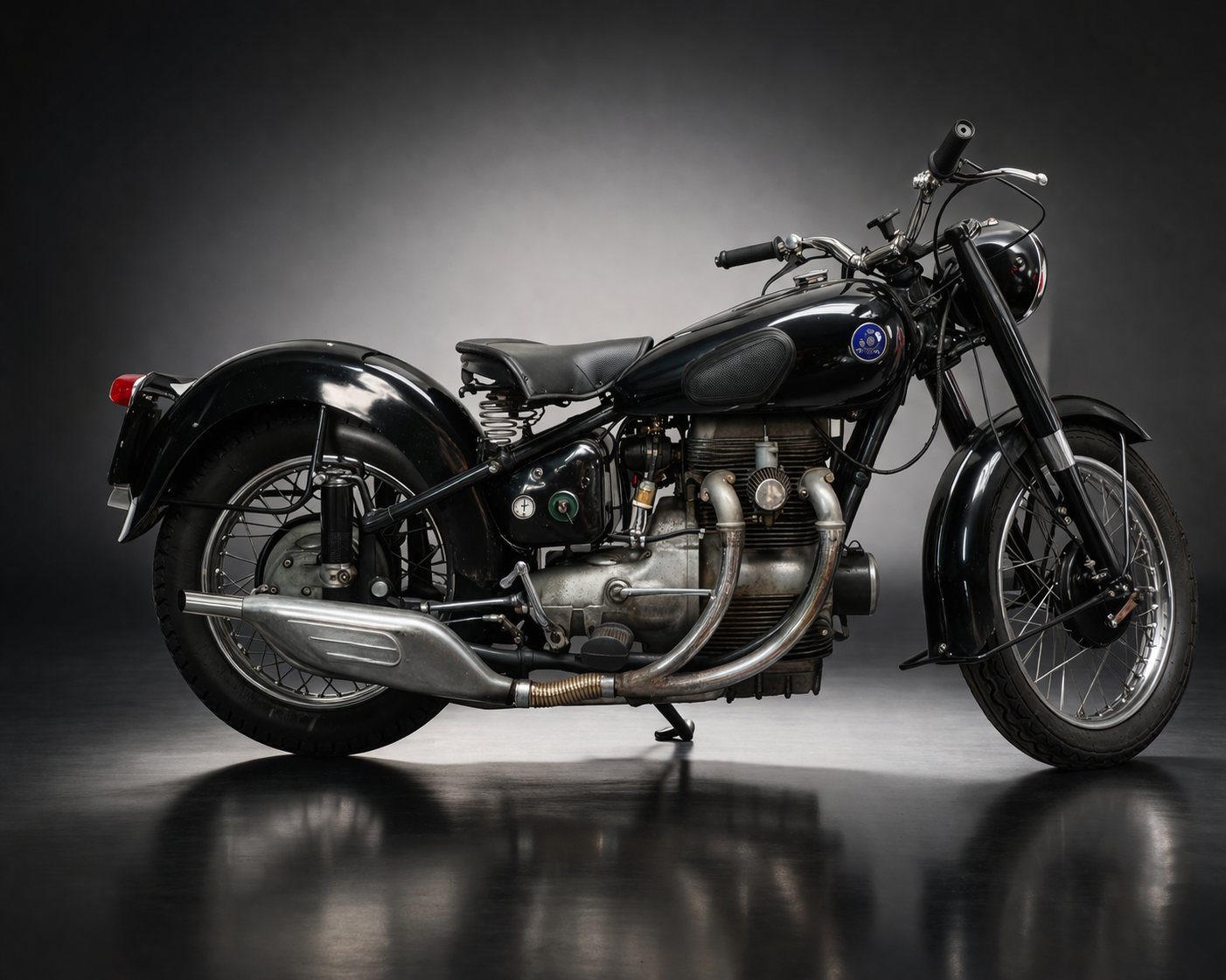
Introduced in 1949 by BSA (Birmingham Small Arms Company)
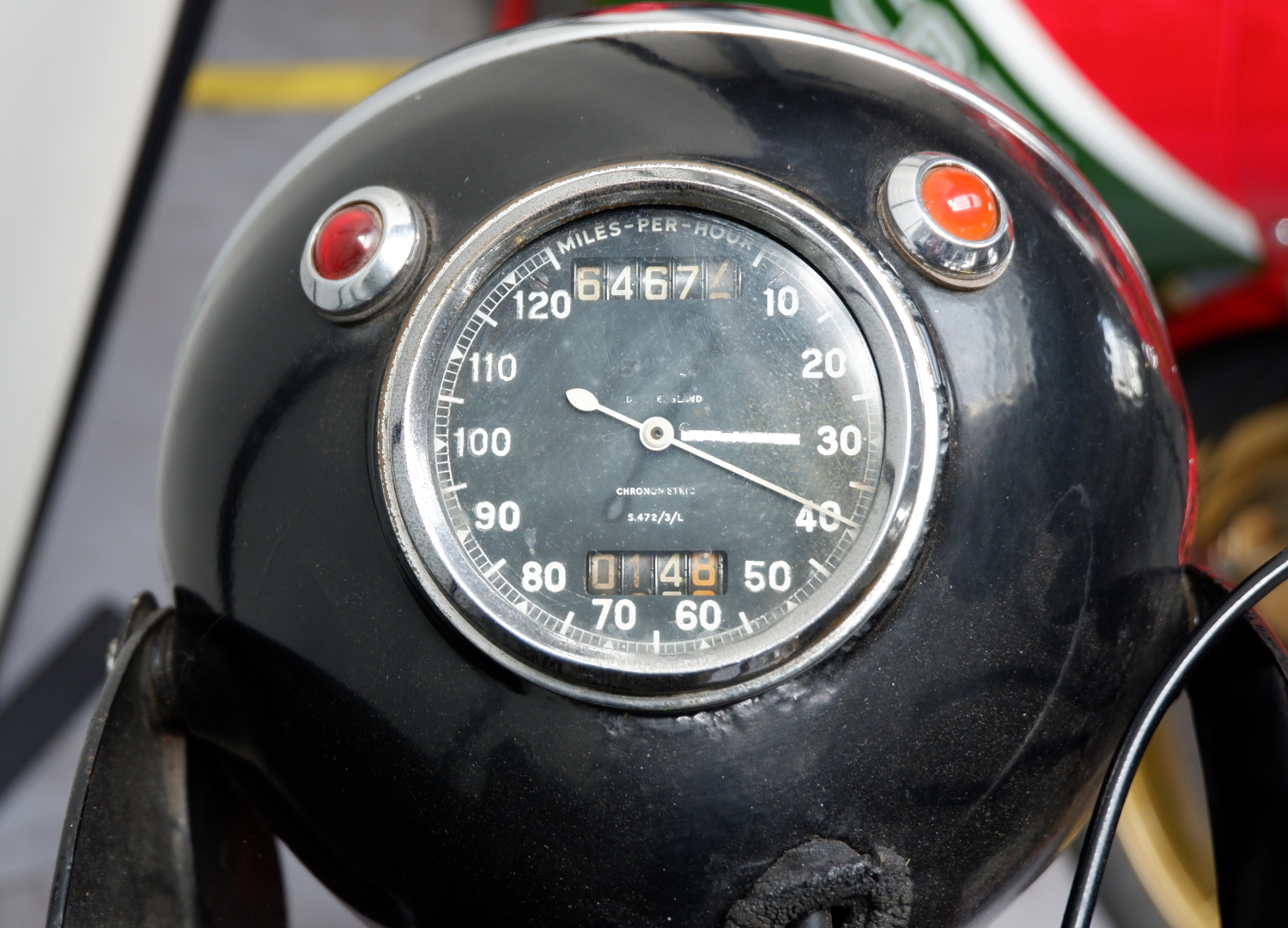
The Sunbeam S8 stands as one of the most technically interesting motorcycles of the late 1940s and 1950s. Introduced in 1949 by BSA (Birmingham Small Arms Company), the Sunbeam S8 was developed from the earlier S7 model. Its design drew heavily from the pre-war BMW R75, particularly in its engine layout and shaft-driven transmission.
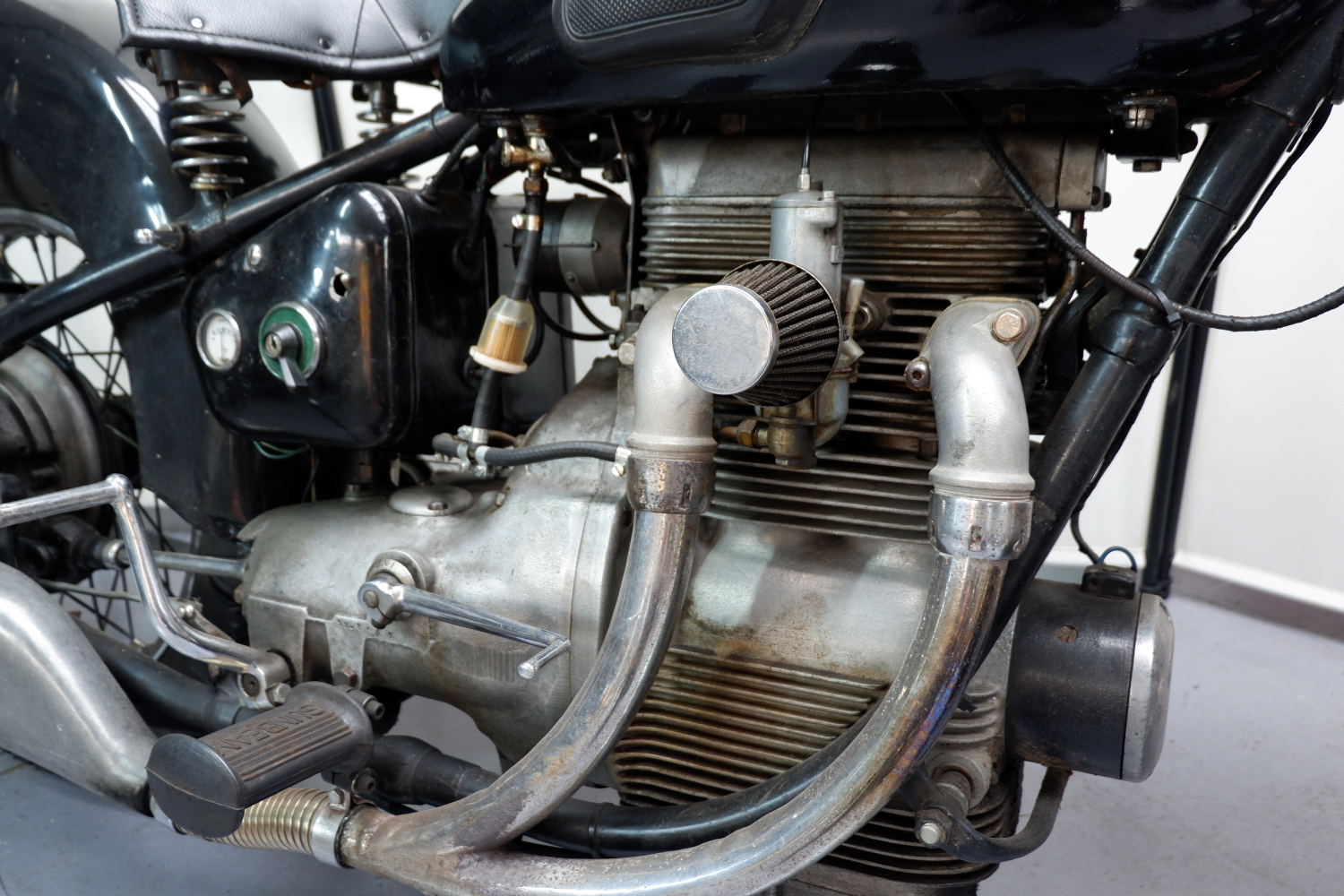
However, unlike BMW’s horizontally opposed twin, Sunbeam opted for a longitudinal inline-twin configuration, resulting in a narrower engine profile and distinctive power delivery characteristics.
The S8 was specifically engineered to refine and improve upon the S7, addressing issues such as excessive weight and handling characteristics. The result was a lighter, more responsive motorcycle that maintained its reputation for smoothness and reliability.
Technical Specifications
- 487cc air-cooled, longitudinal inline-twin
- Overhead valve (OHV), pushrod-operated
- Longitudinal crankshaft (aligned with frame axis)
- Approximately 24 bhp @ 5,500 rpm
- 4-speed manual gearbox
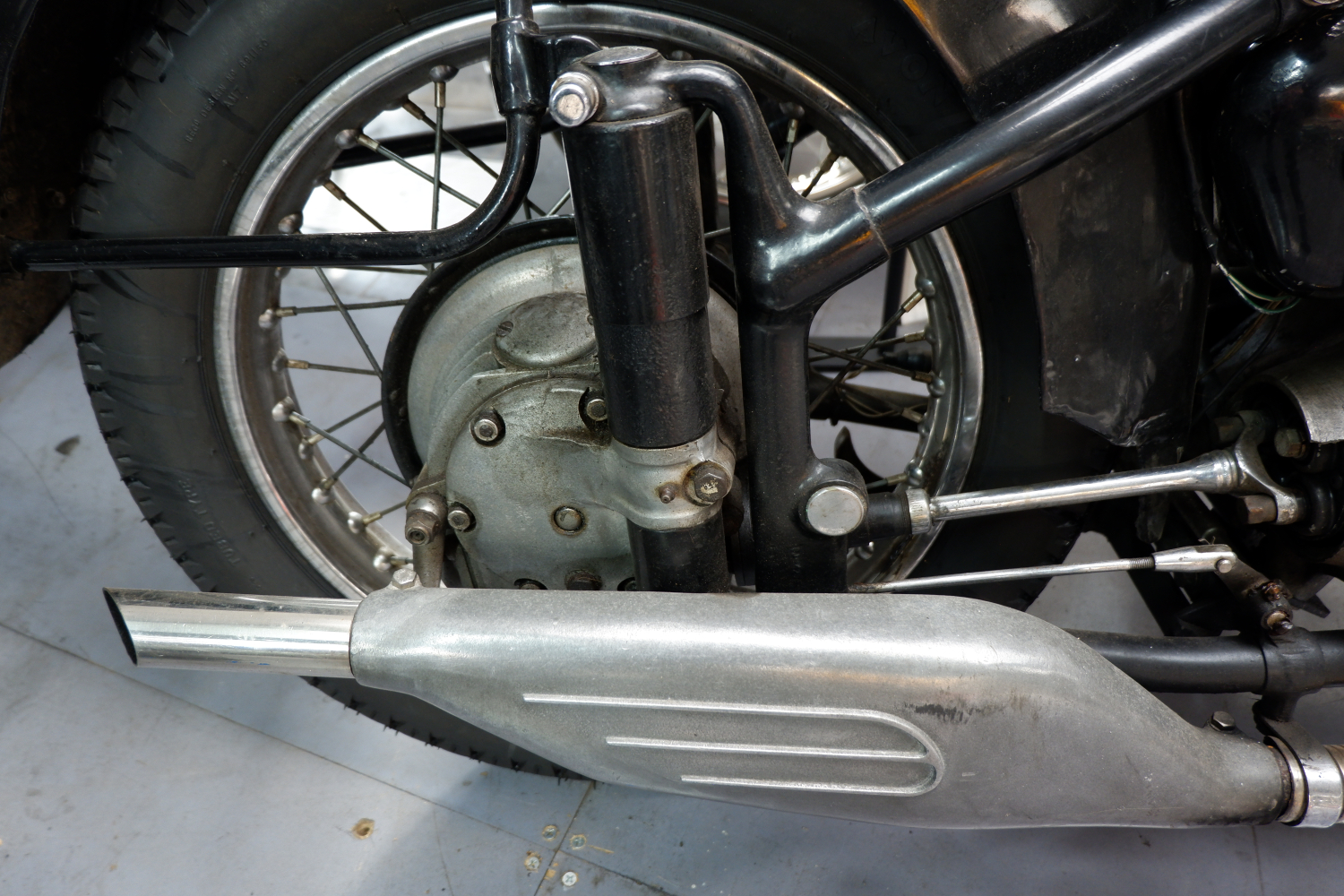
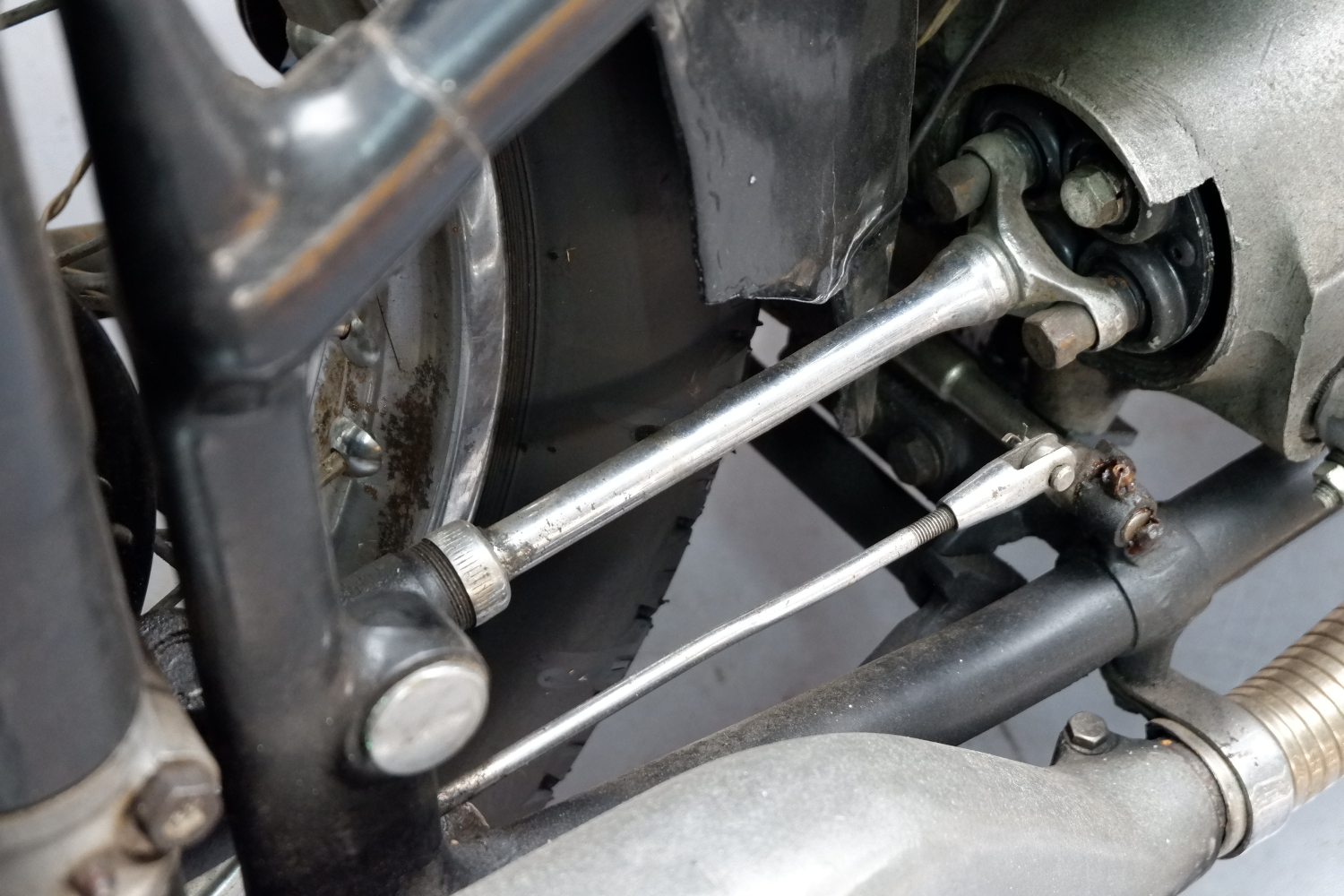
- Enclosed shaft drive with bevel gears
- Plunger rear suspension
- Telescopic forks front suspension
- Drum brakes (front and rear)
The longitudinal crankshaft and shaft drive minimized lateral torque reaction compared to transverse twins, contributing to a uniquely smooth riding experience.
Produced until 1956, the Sunbeam S8 represents a transitional period in motorcycle engineering—where manufacturers experimented with alternative drivetrain layouts and sought to balance innovation with reliability.
Today, it is highly regarded among collectors for:
- Its uncommon engine configuration
- Its shaft-drive system (rare in British bikes of the time)
- Its connection to both British and German engineering traditions
For enthusiasts seeking a technically distinctive and historically significant motorcycle, the Sunbeam S8 offers a rare opportunity
£6,000